Can You Use an FHA 203k Loan To Build an ADU in San Diego?
Learn whether an FHA 203k loan can fund an ADU in San Diego, what the program covers, conversion vs. detached limits, and what to line up before you apply.
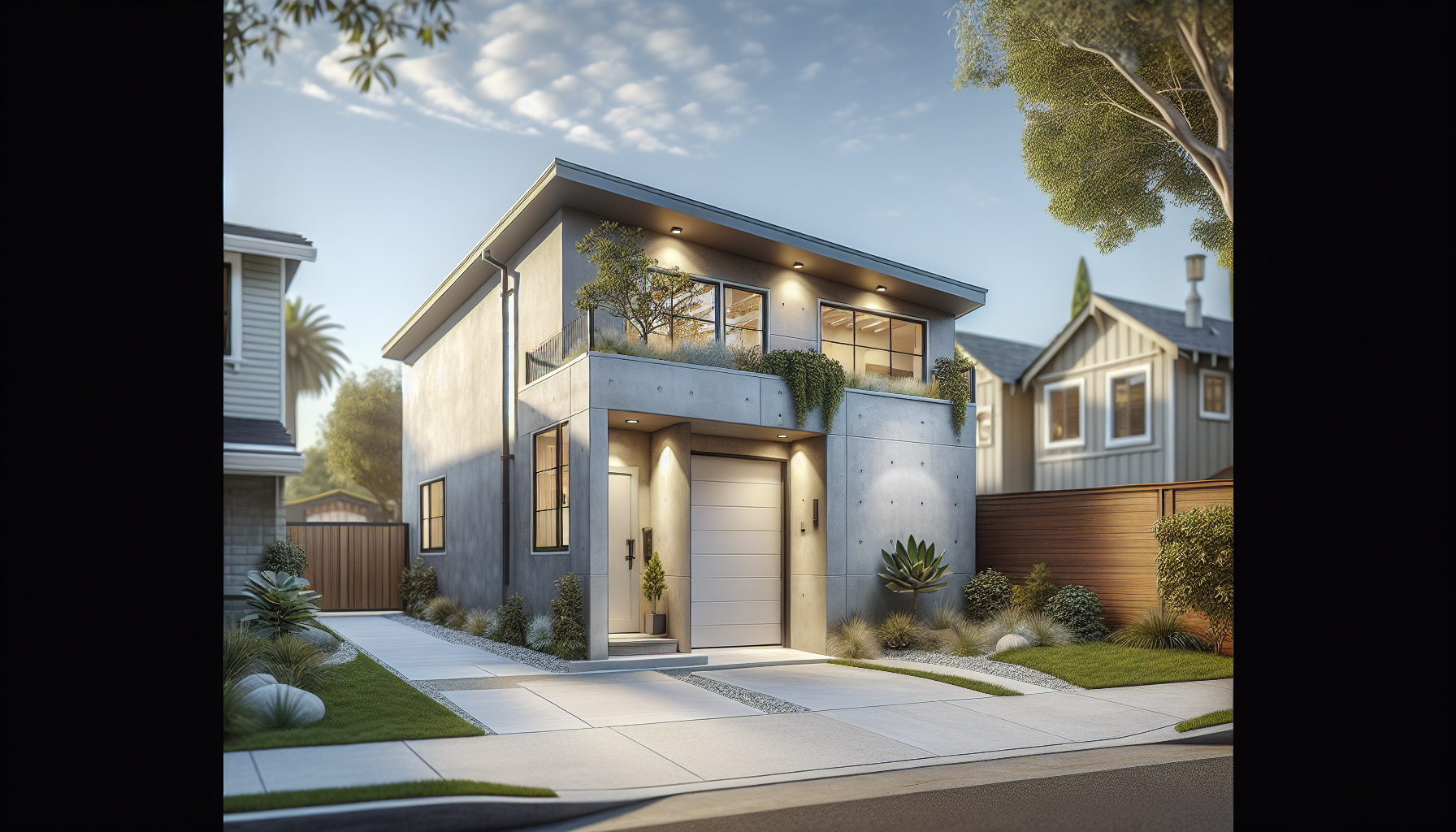
San Diego homeowners ask this one a lot: Can an FHA 203k loan pay to build an accessory dwelling unit?
It's a smart question, because the 203k program is one of the only low down payment, renovation-friendly loans out there, and ADUs are in high demand across San Diego County.
The answer is yes in specific situations, with real limits worth understanding before you count on it.
Here's how the FHA 203k loan works with ADUs, what it will and won't cover, and what to line up if it's the right path for your property.
If you're comparing ADU financing options more broadly, this guide focuses on one program that fits certain conversion and expansion projects especially well.
Schedule a free consultation with LADU to review whether a 203k works for your property before you commit to plans.
What an FHA 203k Loan Actually Is
An FHA 203k loan rolls the cost of buying or refinancing a home and the cost of renovating it into a single mortgage, backed by the Federal Housing Administration.
Instead of taking out a separate construction loan after closing, you finance the purchase and the work together, based on what the property will be worth after the renovation is done.
There are two versions:
- Limited 203k covers smaller projects, generally up to $35,000 in work, with no major structural changes.
- Standard 203k handles larger renovations, including structural work, and requires a HUD consultant to oversee the project.
For anything ADU-related, you're almost always looking at the standard FHA 203k renovation loan because adding living space is structural work that goes well past the limited program's cap.
So, Can a 203k Loan Fund an ADU?
This is where the details matter. FHA rules limit a 203k loan to a one-to-four-unit property that the borrower will live in as their primary residence. Within that, here's the realistic breakdown for a 203k loan for an ADU:
Converting existing space is the strongest case. If you're turning a garage, basement, or attached portion of the home into a livable unit, that's renovation of the existing structure, which is squarely what a 203k is built for.
This is the most common way San Diego homeowners use a 203k toward ADU-style space. A garage conversion ADU is often the best fit for this loan type.
Adding an attached unit can work when it stays within FHA's unit-count and primary-residence rules and the appraiser supports the after-renovation value.
A fully detached, ground-up backyard ADU is the hardest fit. FHA 203k guidelines are written around improving the existing dwelling, not building a separate freestanding structure from scratch.
Some detached work can qualify depending on how it's classified, but this is exactly the scenario where you need a lender to confirm eligibility before you spend a dollar on plans.
The honest takeaway: A 203k is excellent for converting or expanding into additional living space but limited for standalone new construction. Know which project you actually have.
Why This Matters Specifically in San Diego
San Diego has leaned hard into ADUs to address housing supply, and the city's ADU bonus program is among the most generous in California. That demand is exactly why financing questions like this come up so often here.
A 203k can be a strong entry point for a homeowner buying a property with conversion potential, because you finance the home and the conversion in one shot with an FHA down payment rather than a large cash outlay.
The FHA 203k loan in California follows the same federal framework as everywhere else, but local permitting, appraisal, and contractor availability all shape whether your specific project pencils out.
That's worth working through with people who know both the loan and the local building process.
The 203k Funds the Work. Who Designs and Builds the ADU?
A 203k loan is a financing tool. It pays for the renovation. It does not design your unit, pull your permits, or build it, and a 203k project specifically requires that licensed contractors do the work, with the lender disbursing funds as the project hits its milestones.
That makes your choice of builder part of whether the loan even moves forward.
For ground-up ADU design, permitting, and construction across Southern California, work with a qualified ADU builder like LADU that handles the whole process with one in-house team so the project stays accountable from drawings through final inspection.
Pairing the right financing with a builder who specializes in ADUs is what keeps these projects on schedule and on budget.
What To Line Up Before You Apply
- Confirm the project type, whether conversion, attached addition, or detached new build. This decides whether a 203k fits at all.
- Confirm primary-residence and unit-count eligibility with your lender against current FHA rules.
- Get a contractor bid and scope a 203k lender will accept, since the loan amount is based on the after-renovation value.
- Check San Diego permitting for your specific project so timelines and costs are realistic.
Bottom Line
Yes, an FHA 203k loan can help build ADU-style space in San Diego, especially when you're converting or expanding an existing structure rather than starting from scratch in the backyard.
It's one of the more accessible ways to finance added living space, as long as your project fits the program's rules.
If you want to know whether a 203k works for your property, reach out to LADU and we'll review your project and your eligibility before you commit to plans.
ADUs Designed Better. Built Smarter.
Contact us or schedule a free consultation to learn more about financing an ADU on your property.