As housing prices continue to soar in many urban areas, homeowners and prospective buyers are exploring innovative ways to make the most of their investments.
One strategy that's gaining popularity is the development of accessory dwelling units (ADUs). In Los Angeles County alone, annual ADU permit applications have surged from 1,169 in 2018 to 3,515, a threefold increase that reflects just how mainstream ADUs have become.
To date, homeowners have invested more than $5 billion in ADU projects across the county, which is a clear signal that these units are no longer a niche idea but a proven financial strategy.
These small, self-contained homes can be built within or adjacent to a property's existing structures and offer a variety of financial advantages.
Here's what you'll learn in this guide:
- How ADUs generate rental income and boost property value.
- Why families are building ADUs for real, practical reasons, not just investment.
- What recent permit data reveals about ADU costs, sizes, and approval timelines.
- How the permitting process has improved dramatically in recent years.
- Tax benefits and retirement strategies tied to ADU ownership.
Schedule a free consultation with LADU today to see what's possible on your property and learn more about the benefits of adding an ADU.
ADUs Designed Better. Built Smarter.
What Is an Accessory Dwelling Unit?
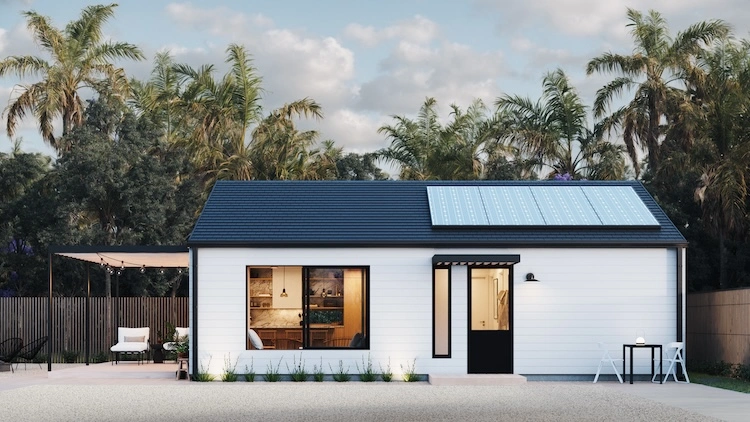
An accessory dwelling unit is a secondary housing unit on a single residential lot. It can be attached to the existing home (such as a basement or above-garage apartment) or a standalone structure.
ADUs are designed to be completely functional on their own, equipped with their own kitchen, bathroom, and sleeping facilities.
Financial Benefits of ADUs
Additional Income Streams
The most direct financial benefit of an ADU is its potential to generate rental income. Homeowners can rent out these units to long-term tenants or as short-term vacation rentals at a 30-day minimum.
This additional income can help homeowners cover their mortgage, property taxes, and other household expenses, essentially allowing the property to partially pay for itself.
Increased Property Value
ADUs can significantly boost your property's market value. Having a secondary unit is an attractive feature for potential buyers, especially in markets where rental income can be factored into the home's valuation.
This increase in property value can be particularly advantageous if you decide to sell the home. With more than $5 billion invested in LA County ADU projects since 2018, the market clearly recognizes these units as meaningful additions to a property's worth.
Affordable Housing for Family Members
ADUs offer a cost-effective housing option for extended family. This setup can be especially beneficial for families looking to keep aging relatives close without compromising their independence.
Alternatively, ADUs can provide an affordable stepping stone for adult children saving for their own homes.
Permit data shows that two-bedroom ADUs are the most commonly built configuration, with 3,876 permits filed, followed by one-bedroom units (3,389) and three-bedroom ADUs (2,702).
The dominance of multi-bedroom layouts suggests that homeowners are building ADUs with real family utility in mind, not just as minimal rental units.
Retirement Income
For retirees, an ADU can be an excellent source of passive income. If downsizing is part of your retirement plan, you could move into the ADU and rent out the main house, potentially covering all your living expenses and then some.
Tax Benefits
Depending on your location, you might be eligible for tax deductions related to depreciation, maintenance, and repairs on the ADU if it's used as a rental property. This can provide significant savings over the life of the unit. See our guide on California ADU property tax to learn more.
What the Permit Data Tells Us About ADU Investment Costs
One of the most common questions homeowners ask is how much an ADU actually costs to build. LA County permit records provide a useful benchmark.
The median ADU project valuation across all permit types is $120,000, though costs range widely from around $25,000 for smaller conversions to more than $1 million for high-end custom builds.
In 2026, the median has trended up to approximately $200,000 as homeowners increasingly choose larger, purpose-built detached units over simpler garage conversions.
These figures can help you set realistic expectations for budgeting and financing, whether you're planning a modest conversion or a full new-construction ADU.
Permitting Is Getting Easier
One of the biggest barriers to building an ADU has historically been the permitting process. The good news is that the barrier is shrinking fast.
Across LA County, the median permit processing time has dropped from 942 days in 2021 to just 191 days in 2025, which is an 80% improvement. That shift means homeowners can move from application to construction in a fraction of the time it took just a few years ago.
Combined with the 3x surge in annual permit applications since 2018, the data paints a clear picture: local governments are streamlining their processes to keep up with demand, and now is one of the most favorable times to navigate the permitting process.
The steps involved in ADU permitting can seem daunting, but LADU handles the entire permitting process for you and guarantees approvals.
Considerations Before Building an ADU
While ADUs offer numerous financial benefits, there are important factors to consider before construction:
- Local Regulations: Zoning laws and building codes can vary significantly by location. It's critical to understand these before planning an ADU.
- Initial Investment: The upfront costs of building an ADU can be substantial. The current median sits around $120,000 to $200,000 depending on the project type. However, financing options such as home equity loans or lines of credit can help manage these expenses.
- Insurance and Utilities: Operating an ADU will increase your utility usage and may require additional homeowners' insurance coverage.
The Benefits of Building an ADU Are Substantial
ADUs represent a flexible and financially beneficial option for maximizing the value and utility of your property.
Whether you're looking for additional income, a way to support family, or a strategy to enhance your retirement, the financial advantages of ADUs make them an attractive option for many homeowners.
The numbers back it up: more than 18,000 permits filed, over $5 billion invested, and processing times that have improved by 80%. The ADU landscape in LA County has never been more favorable for homeowners ready to build.
With proper planning and understanding of local regulations, adding an ADU can be a savvy investment that pays dividends for years to come.
When you're ready to start planning your ADU, trust LADU for one-team accountability from ADU design and permitting to ADU construction and final walkthrough. Schedule a free site visit today, or give us a call at (213) 855-3334 to learn more.
Frequently Asked Questions
How many ADU permits have been filed in LA County?
More than 18,848 ADU permits have been filed across LA County since 2018, with annual applications growing from 1,169 to 3,515, which is a threefold increase. This surge reflects growing homeowner confidence and increasingly favorable regulations.
What is the most common ADU size and layout?
The most popular configuration is a two-bedroom ADU, with 3,876 permits filed, followed by one-bedroom (3,389) and three-bedroom (2,702) units. The median ADU size is 510 square feet. Most homeowners are building multi-bedroom layouts designed for genuine family or rental use.
How much does it cost to build an ADU in LA County?
The median ADU project valuation is $120,000, with a range from approximately $25,000 to over $1 million. The current trending median is around $200,000 as homeowners shift toward larger detached units. Over $5 billion has been invested in ADU projects across the county since 2018.
How long does it take to get an ADU permit approved?
Permit processing times have improved dramatically. The median dropped from 942 days in 2021 to just 191 days in 2025, an 80% reduction. This means homeowners can now move from application to approval in roughly six months, compared to more than two and a half years just a few years ago.
Contact us or schedule a free consultation to learn more about building an ADU on your property.