Building an ADU in California's Coastal Zone - What Property Owners Need to Know
Learn about the unique challenges and requirements of building an ADU in California's Coastal Zone, including Coastal Development Permits, the Coastal Commission approval process, and strategies for success.
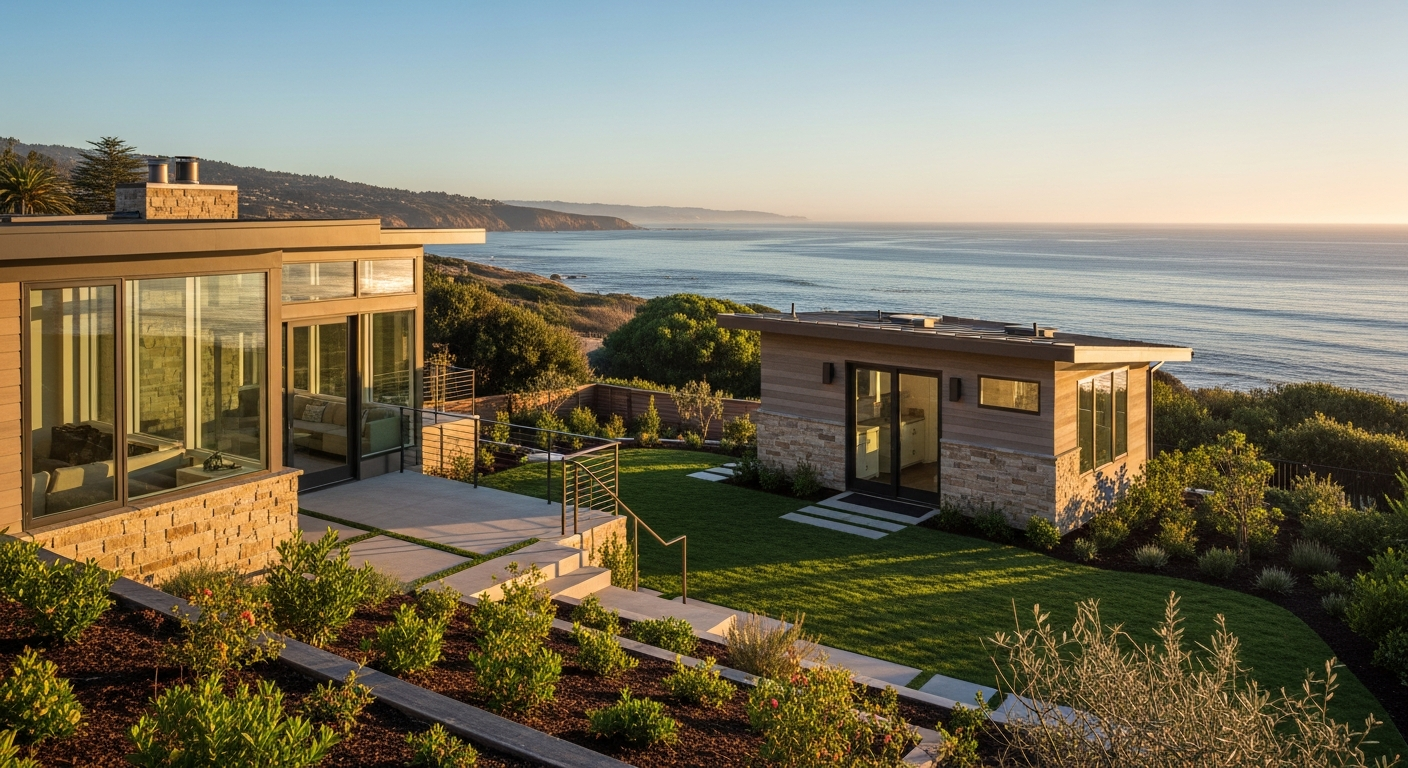
Building an ADU in California is easier than ever—unless your property is in the Coastal Zone. If you live within a few miles of the Pacific Ocean, you may face an additional layer of regulation that can make your ADU project significantly more complex, expensive, and time-consuming.
In this guide, we'll explain what the Coastal Zone is, why it matters for ADU construction, and what property owners need to know to successfully navigate the process.
What Is California's Coastal Zone?
The California Coastal Zone is a strip of land that extends from the Oregon border to Mexico, stretching inland from the Pacific Ocean. Established by the California Coastal Act of 1976, this protected area ranges from a few hundred feet in highly urbanized areas to several miles in rural coastal regions.
The Coastal Zone encompasses approximately 1.5 million acres of land, including some of California's most desirable—and expensive—real estate. Major coastal cities like San Francisco, Los Angeles, San Diego, and Santa Cruz all have significant portions of land within the Coastal Zone.
How to find out if your property is in the Coastal Zone:
- Check the California Coastal Commission's online mapping tool
- Contact your local planning department
- Search your county's GIS parcel database
The California Coastal Commission's Role
The California Coastal Commission (CCC) is a state agency responsible for regulating development along California's coastline. Their mission is to protect coastal resources while providing public access to the shoreline.
When it comes to ADUs in the Coastal Zone, the Commission has significant authority:
- Coastal Development Permit (CDP) Requirement: Most new construction in the Coastal Zone requires a CDP, including ADUs
- Environmental Review: Projects may need to demonstrate they won't harm coastal resources, habitats, or public beach access
- Design Standards: The Commission may impose specific requirements related to height, materials, colors, and visual impact
- Sea Level Rise Considerations: New developments must account for projected sea level rise and coastal erosion
Why ADUs in the Coastal Zone Are More Challenging
1. Dual Permitting Process
Building an ADU in the Coastal Zone typically requires approval from both your local jurisdiction AND the California Coastal Commission. This dual review process can significantly extend your timeline.
Standard ADU timeline: 60-90 days for permit approval
Coastal Zone ADU timeline: 6 months to 2+ years, depending on complexity
2. Additional Permit Costs
Beyond standard ADU permit fees, property owners in the Coastal Zone must budget for:
- Coastal Development Permit application fees ($500-$5,000+)
- Environmental studies and assessments
- Additional architectural drawings addressing coastal concerns
- Potential appeals and hearings
3. Strict Environmental Requirements
The Coastal Commission prioritizes protecting:
- Wetlands and Environmentally Sensitive Habitat Areas (ESHA): Building near these areas faces strict scrutiny
- Public Access: Your project cannot interfere with existing or potential public coastal access
- Visual Resources: Scenic viewsheds must be preserved; your ADU may face height or design restrictions
- Marine Resources: Drainage and runoff must be carefully managed
4. Sea Level Rise and Hazard Analysis
Projects in the Coastal Zone increasingly require analysis of:
- Projected sea level rise over the structure's lifespan
- Coastal erosion rates
- Flood hazard zones
- Tsunami inundation areas
Some ADU projects may be denied or require modification if they're deemed too close to hazard areas.
Exemptions and Simplified Processes
Not all ADU projects in the Coastal Zone require full Coastal Commission review. Some may qualify for exemptions or streamlined processes:
Categorical Exclusions
Minor improvements to existing structures may qualify for categorical exclusions from CDP requirements. Garage conversions and internal ADUs that don't expand the building footprint sometimes fall into this category.
De Minimis Waivers
For projects with no potential adverse coastal impacts, the Executive Director of the Coastal Commission may issue a de minimis waiver, bypassing the full hearing process.
Local Coastal Programs (LCPs)
Many coastal communities have certified Local Coastal Programs that allow them to issue CDPs locally, without direct Coastal Commission involvement. If your city has a certified LCP for ADUs, your process may be simpler.
Cities with certified LCPs that may streamline ADU permitting:
- Parts of San Diego
- Portions of Los Angeles
- Some Orange County cities
- Various smaller coastal communities
Check with your local planning department to understand which approval pathway applies to your property.
Strategies for Success
1. Engage Early with Both Agencies
Before investing in detailed plans, meet with both your local planning department AND the Coastal Commission (or the local agency administering the LCP). Understanding requirements upfront can save months of revision.
2. Consider Conversion Over New Construction
Converting existing space—like a garage or basement—typically faces less scrutiny than building a new detached ADU. The smaller footprint and reduced visual impact make approvals easier.
3. Minimize Visual Impact
Design choices that improve your chances of approval:
- Keep height as low as possible
- Use colors and materials that blend with the surrounding landscape
- Avoid reflective surfaces that could impact views
- Position the ADU to minimize visibility from public areas
4. Address Environmental Concerns Proactively
Consider hiring environmental consultants early in the process to:
- Conduct biological assessments
- Document existing drainage patterns
- Identify potential ESHA or wetland issues
- Propose mitigation measures
5. Budget for the Long Haul
Coastal Zone ADU projects often take longer and cost more than standard projects. Build contingency into both your timeline and budget:
- Additional permit timeline: 6-18 months beyond standard approvals
- Additional costs: $10,000-$50,000+ for coastal-specific requirements
Recent Legislative Changes
California's legislature has been working to streamline ADU construction statewide, including in the Coastal Zone. Recent and pending legislation has:
- Required the Coastal Commission to consider housing needs in permit decisions
- Established clearer timelines for coastal ADU permit review
- Limited some grounds for denying ADU permits in developed coastal areas
However, the Coastal Commission retains significant authority, and environmental protections remain a priority. The balance between housing needs and coastal protection continues to evolve.
The Bottom Line
Building an ADU in California's Coastal Zone is absolutely possible—thousands of homeowners have done it successfully. But it requires:
- More planning: Understand the dual approval process before you start
- More patience: Timelines are significantly longer than standard ADUs
- More money: Budget for additional permits, studies, and potential design changes
- The right team: Work with architects and contractors experienced in coastal development
The extra effort can be worth it. Coastal properties often command premium rents, and an ADU can generate significant income while providing housing in areas that desperately need it.
How LADU Can Help
At LADU, we have extensive experience navigating California's complex ADU regulations, including projects in the Coastal Zone. Our team can help you:
- Determine if your property is in the Coastal Zone and which requirements apply
- Design an ADU that maximizes approval chances
- Coordinate with both local and coastal agencies
- Manage the extended permitting timeline
- Deliver a high-quality ADU that meets all coastal requirements
Contact us or schedule a free consultation, and we'll help guide you through the permitting process to ensure your ADU meets all the necessary legal requirements.